The Future of Artificial Intelligence: Transforming Industries and Everyday Life
Blogging has become one of the most powerful ways to share ideas, insights, and experiences with a wide audience. Whether you’re writing about technology, lifestyle, business, or personal growth, your blog has the potential to inspire and inform readers around the world. In this article, we’ll explore some essential tips and insights that can help every reader take away something valuable.
In today’s fast-changing world, knowledge is power. Keeping yourself updated with the latest trends and information not only helps you grow personally but also ensures you remain competitive professionally. From digital tools to productivity hacks, staying in the loop is a habit that pays off in the long run.
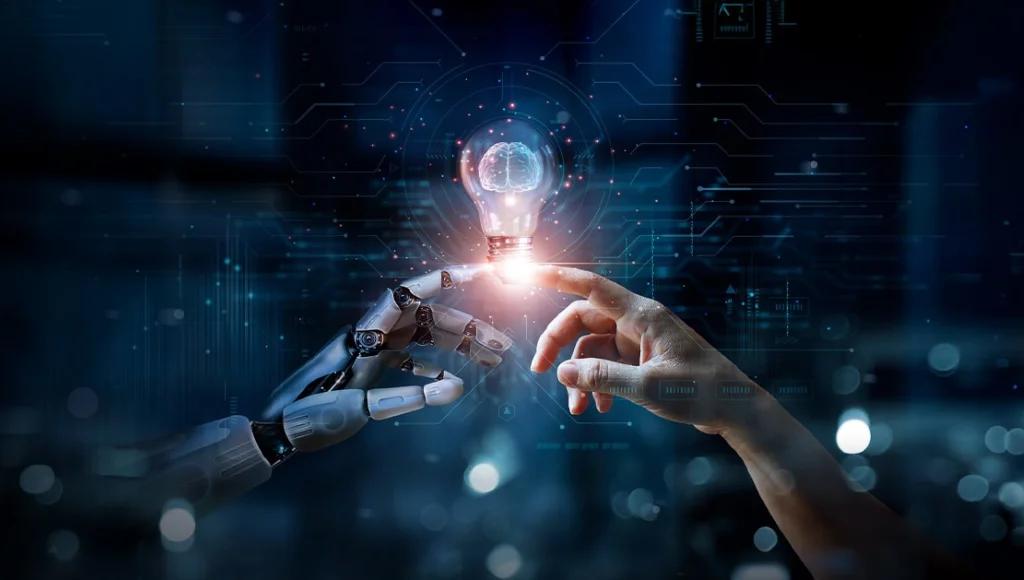
The Future of Artificial Intelligence: Transforming Industries and Everyday Life
Artificial Intelligence (AI) has moved beyond science fiction — it’s now an integral part of how businesses operate and how people live. From virtual assistants and predictive analytics to autonomous vehicles and healthcare diagnostics, AI is shaping the world in ways once thought impossible.
Understanding Artificial Intelligence
At its core, AI refers to the ability of machines to mimic human intelligence — learning, reasoning, and problem-solving. Through advanced algorithms, data processing, and machine learning models, AI systems can analyze massive datasets faster and more accurately than humans, uncovering insights that drive smarter decisions.
AI in Business and Industry
Nearly every industry is undergoing a digital transformation powered by AI. In healthcare, AI algorithms assist in early disease detection and personalized treatment plans. In finance, AI tools detect fraudulent transactions and automate trading. The manufacturing sector uses predictive maintenance and robotic automation to enhance efficiency, while retail businesses leverage AI for demand forecasting and personalized shopping experiences.
The Rise of Generative AI
Generative AI — the technology behind tools like ChatGPT and DALL·E — is redefining creativity and productivity. It enables users to generate text, images, music, and even code using simple prompts. Businesses are using generative AI for content creation, marketing, customer support, and rapid prototyping, reducing operational costs and boosting innovation.
AI and Data: The Perfect Partnership
AI thrives on data — the more data it consumes, the smarter it becomes. Modern organizations use big data analytics to feed AI systems, training them to recognize patterns and predict outcomes. This synergy allows for automation in tasks like inventory management, recommendation engines, and predictive customer behavior modeling.
Ethical Considerations and Challenges
As AI continues to evolve, ethical issues become increasingly important. Concerns around privacy, job displacement, and bias in algorithms need careful regulation and transparency. Governments and organizations worldwide are now establishing frameworks to ensure AI is used responsibly, prioritizing fairness, accountability, and human oversight.
The Future of AI
The next decade will see AI becoming even more personalized and integrated into everyday life. Smart homes, autonomous transport, and AI-powered healthcare will become mainstream. Edge computing and real-time AI processing will further reduce latency, enabling instant decision-making in critical applications.
Conclusion
Artificial Intelligence is not just a technological revolution — it’s a human one. By combining computational power with creativity and empathy, AI has the potential to solve complex global challenges and enhance quality of life. Embracing AI responsibly will ensure that innovation benefits everyone, paving the way for a smarter, more connected future.


.jpg)